




News & Industry Insights
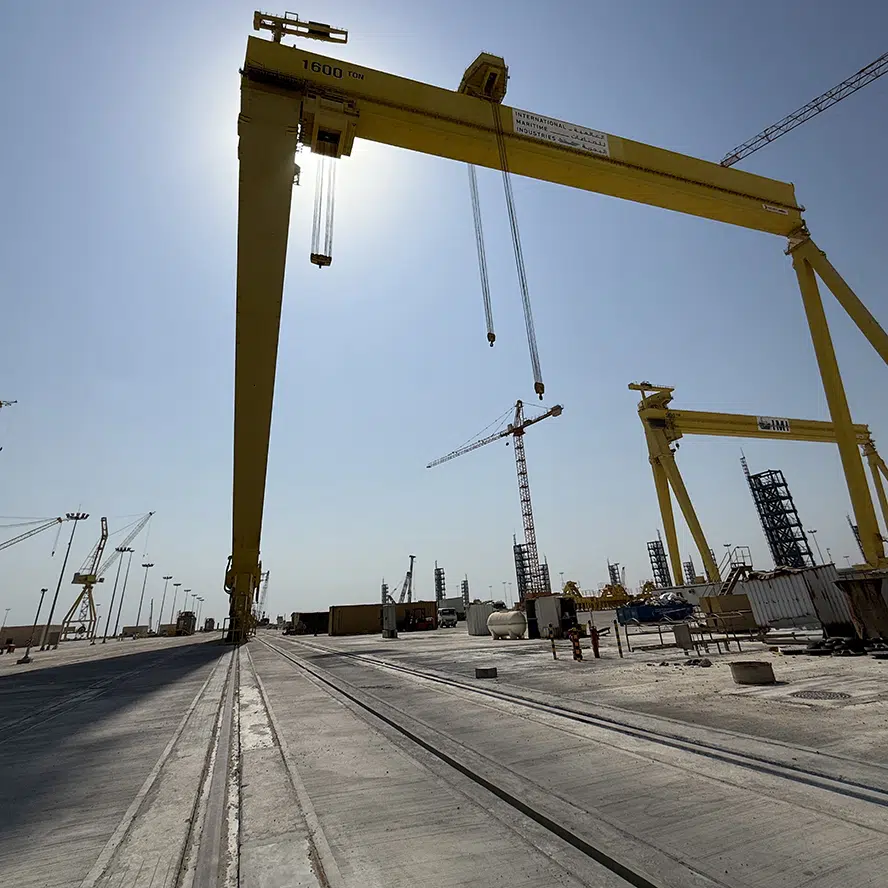
DIN 536 A150 Crane Rail: Heavy-Duty Crane Rail System Design, Engineering Specifications, and Project Application Case
Explore the high-performance A150 crane rail system compliant with DIN 536 standards. We cover its specifications, production process, full set of supporting parts and on-site application cases for heavy-load crane systems in ports, steel plants and shipyards.
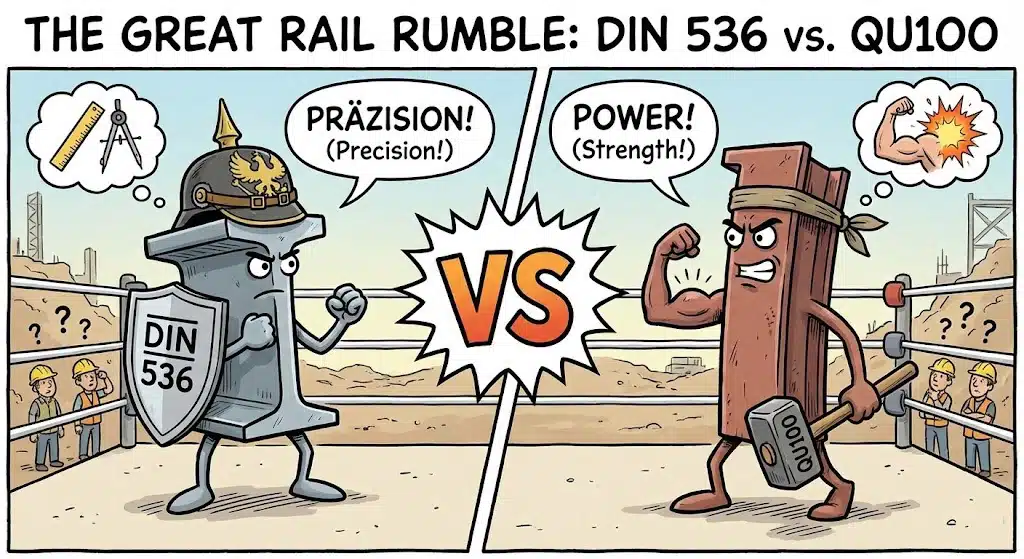
DIN 536 A100 vs. QU100: Which Crane Rail Should You Choose for Your Gantry System?
Introduction When designing a heavy-duty gantry crane system, engineers often face a dilemma: Should you stick to the European DIN 536 standard (A-series) or choose the Chinese GB standard (QU-series)? While both are excellent for heavy loads, they are not perfectly interchangeable.
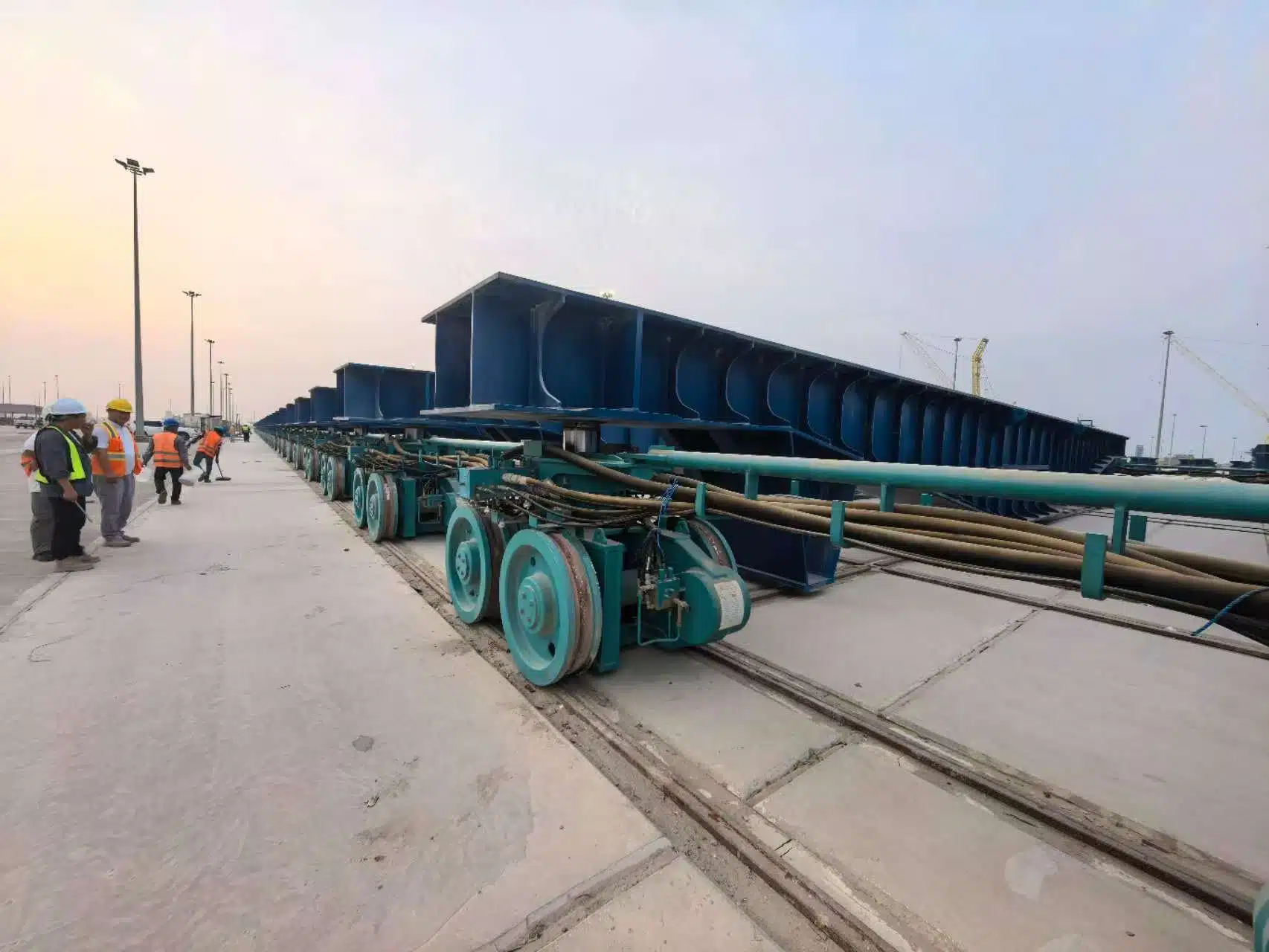
Forgesail Successfully Supports Heavy-Duty Transfer Bogie Testing at King Salman Maritime Yard Project
Forgesail supported the successful testing of a heavy-duty transfer bogie at the King Salman Maritime Yard in Saudi Arabia, providing key technical components and engineering assistance to ensure reliable performance.
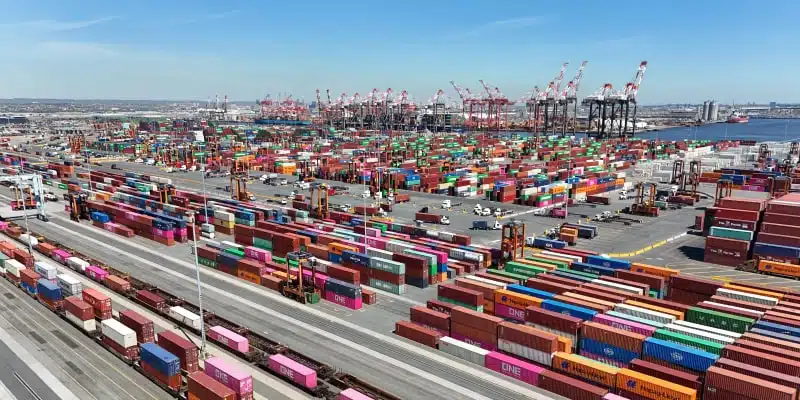
Port Crane Rail Systems: Future Trends in Stability, Efficiency & Sustainability | Forgesail
As global trade continues to expand, the efficiency of port logistics has become a key factor in economic competitiveness. At the heart of every modern port lies a reliable rail system — the critical infrastructure that connects ship-to-shore operations with inland transport.
